Natural Nutrition Information
Understanding nutrients and their natural food sources
Educational content only. No promises of outcomes.
Modern Nutrition Insights
Scientific understanding of how nutrients function in the human body has evolved significantly. This educational resource explores the biological roles of essential nutrients and their natural food sources, supporting an informed perspective on daily nutrition.
Why Nutrition Matters
Nutrients play fundamental roles in energy metabolism, tissue repair, immune function, and cellular protection. Understanding these roles helps explain why diverse, nutrient-dense foods contribute to overall wellness. This resource provides factual information without medical claims or personalized recommendations.
Core Nutrients Overview
| Nutrient | Key Biological Roles | Natural Food Sources |
|---|---|---|
| Omega-3 Fatty Acids | Support cardiovascular and cognitive function | Fish, walnuts, flaxseeds, chia seeds |
| Vitamin D | Support calcium absorption and immune function | Fatty fish, egg yolks, mushrooms, fortified foods |
| Vitamin E | Antioxidant support for cellular protection | Nuts, seeds, vegetable oils, leafy greens |
| Selenium | Supports thyroid function and antioxidant defense | Brazil nuts, wheat, fish, poultry |
| Folate (Vitamin B9) | Essential for cell division and DNA synthesis | Leafy greens, legumes, asparagus, Brussels sprouts |
| Vitamin C | Collagen synthesis and immune system support | Citrus fruits, berries, bell peppers, broccoli |
Featured Natural Sources
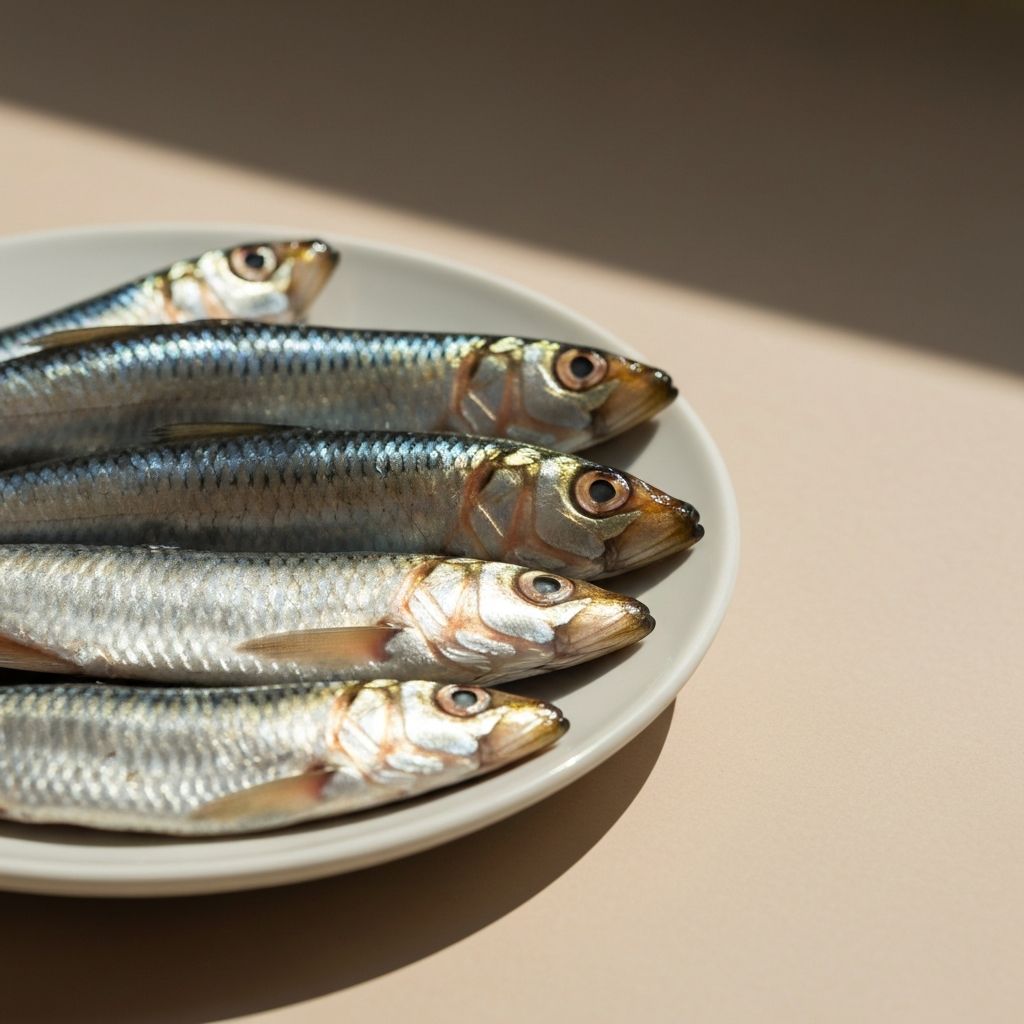
Sardines
Rich source of omega-3 fatty acids and vitamin D. Sardines provide bioavailable forms of these nutrients that support cardiovascular and bone health functions.

Hazelnuts
Excellent source of vitamin E and monounsaturated fats. These nuts support antioxidant defense and provide sustained energy through their nutrient density.
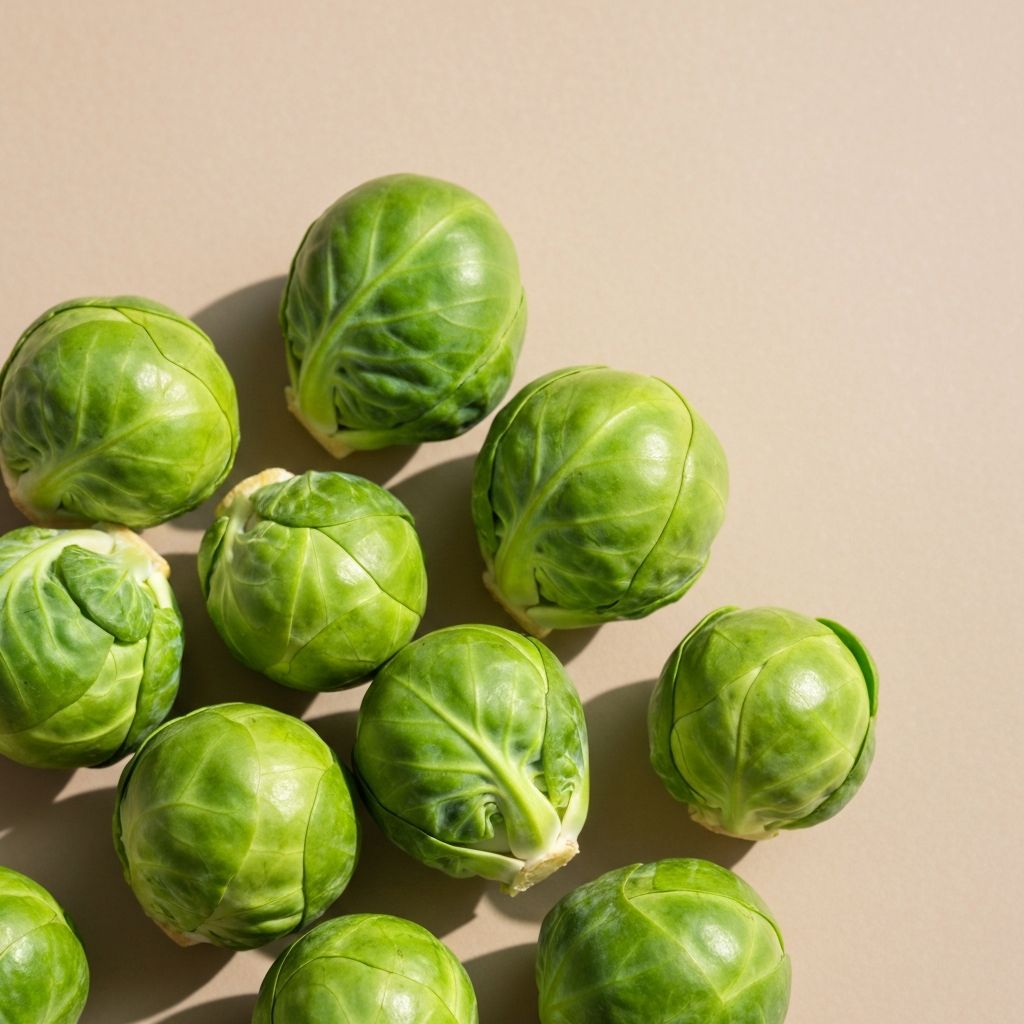
Brussels Sprouts
Nutrient-dense cruciferous vegetable containing vitamin C, K, and folate. Regular consumption supports immune and bone health through diverse micronutrients.
Selenium-Rich Foods
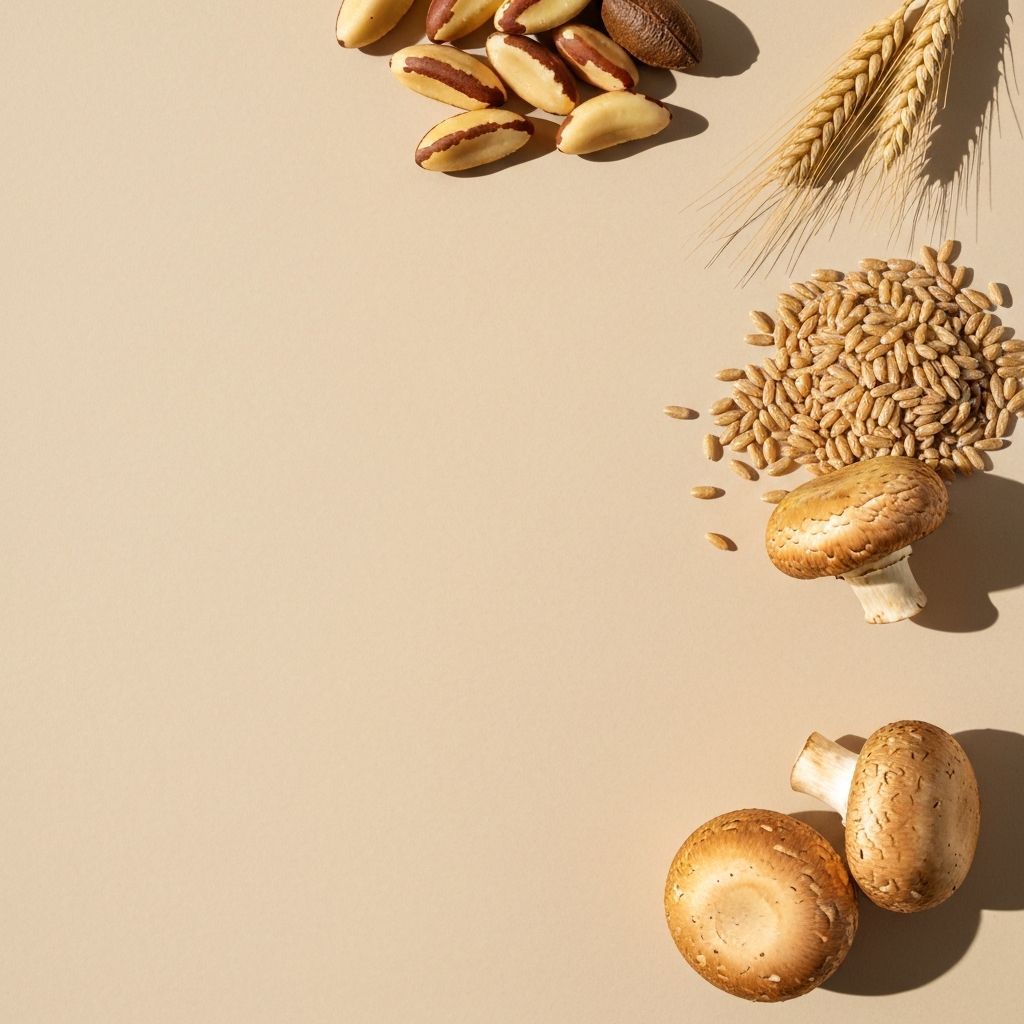
Natural Sources of Selenium
Selenium is a trace mineral essential for thyroid function and acts as a cofactor for selenoproteins that provide antioxidant protection. Natural food sources include:
- Brazil nuts (among the richest sources)
- Wheat and whole grains
- Fish and seafood
- Poultry
- Eggs
- Mushrooms (when grown in selenium-rich soil)
Bioavailability of selenium varies depending on food source and individual absorption capacity. Diverse dietary patterns naturally provide adequate selenium for most populations.
Vitamin E Sources and Function
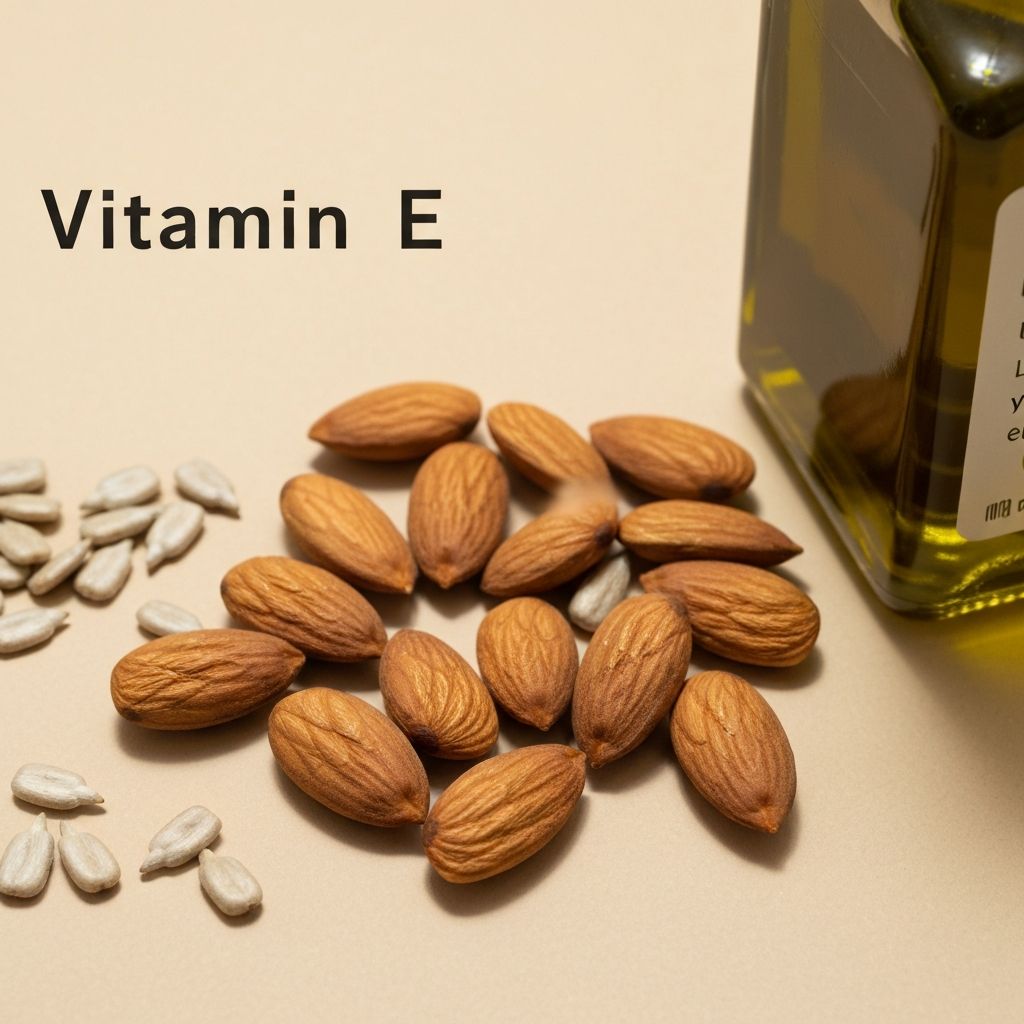
Understanding Vitamin E
Vitamin E exists in eight different forms (tocopherols and tocotrienols) with varying biological activities. This fat-soluble vitamin functions as a cellular antioxidant, protecting cell membranes from oxidative stress.
Primary natural sources:
- Nuts and seeds (almonds, sunflower seeds)
- Vegetable oils (olive, canola)
- Leafy green vegetables
- Whole grains
- Avocados
The alpha-tocopherol form has the highest biological activity in human nutrition. A varied diet including multiple vitamin E sources supports optimal nutrient status.
Folate in Natural Diet
Folate (Vitamin B9) Explained
Folate is a B-complex vitamin essential for methylation reactions, DNA synthesis, and cell division. The term "folate" refers to the naturally occurring form found in foods, while "folic acid" is the synthetic form used in supplements.
Rich natural folate sources:
- Leafy green vegetables (spinach, kale, arugula)
- Legumes (lentils, chickpeas, black beans)
- Asparagus
- Brussels sprouts
- Broccoli
- Whole grains
- Avocados
Folate bioavailability is higher in some sources than others, and individual absorption varies. Regular consumption of diverse vegetables and legumes supports adequate folate status for most individuals.
Omega-3 Fatty Acids
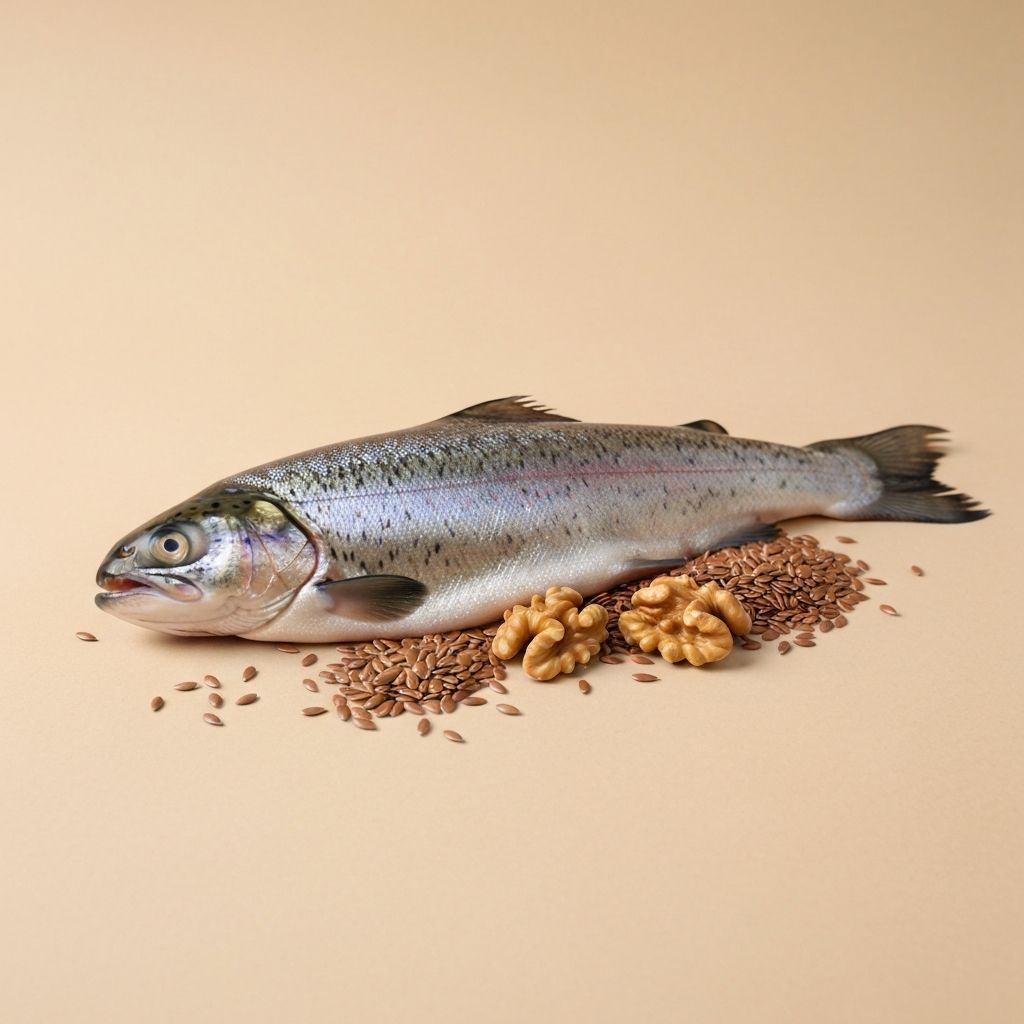
Scientific Facts About Omega-3
Omega-3 fatty acids are polyunsaturated fats essential for human health. The three main types include alpha-linolenic acid (ALA), eicosapentaenoic acid (EPA), and docosahexaenoic acid (DHA).
Key roles in physiology:
- Cardiovascular function support through anti-inflammatory effects
- Cognitive and neurological development
- Eye health through retinal structure
- Inflammatory response modulation
Food sources:
- Fatty fish (salmon, mackerel, sardines) - direct source of EPA/DHA
- Plant sources (walnuts, flaxseeds, chia seeds) - contain ALA, converted to EPA/DHA
- Conversion efficiency varies individually
Plant-Based Nutrient Options
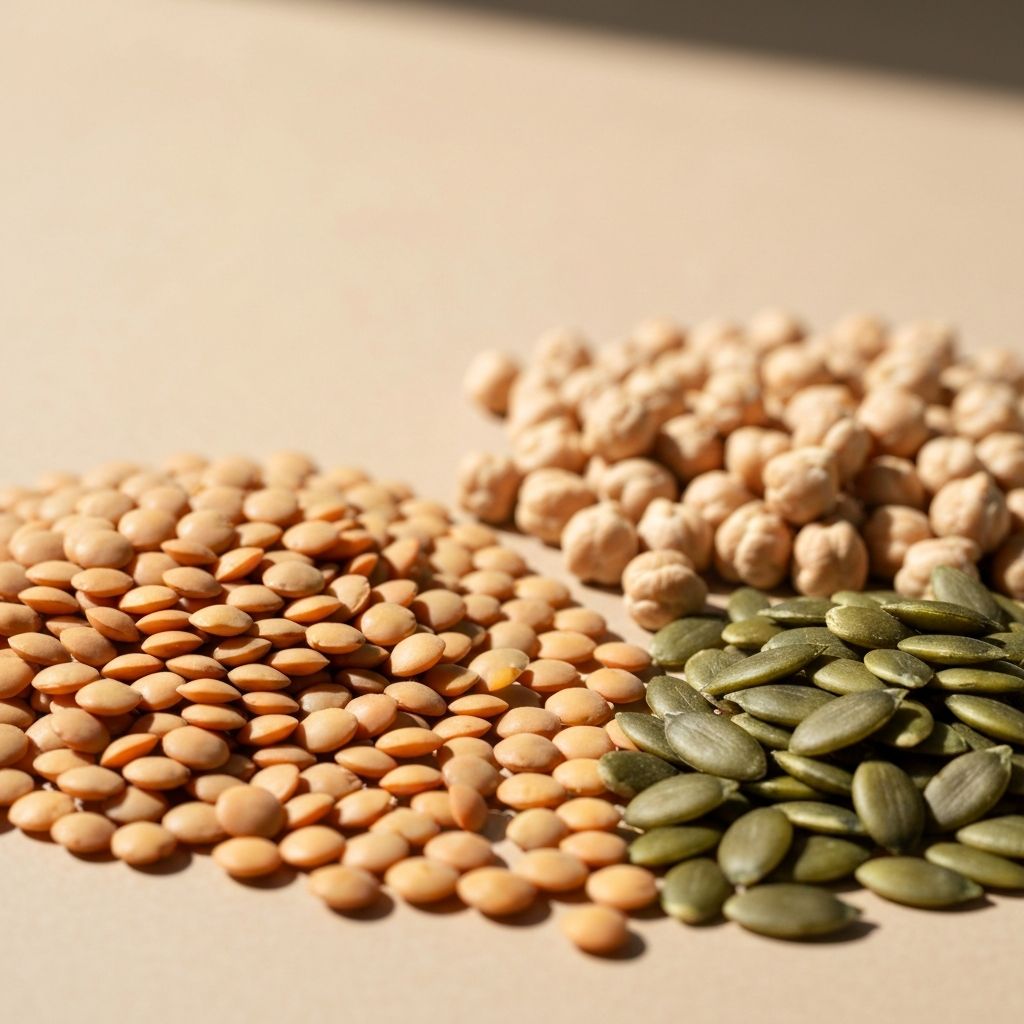
Plant-Based Protein and Nutrients
Plant-based foods provide diverse micronutrients alongside protein and beneficial compounds. Common sources include:
- Legumes (lentils, chickpeas, beans)
- Whole grains (quinoa, bulgur, oats)
- Seeds (pumpkin, sunflower, hemp)
- Nuts
- Leafy greens
Complementary Protein Concept
When plant-based foods are combined across meals, they provide all essential amino acids. Combining legumes with grains, for example, creates nutritionally complete protein profiles. This pattern reflects traditional dietary approaches across many cultures.

Meal Timing Context
Understanding Nutrient Distribution
Scientific literature explores how the timing and distribution of nutrient intake throughout the day affects absorption, metabolism, and utilization. Key considerations include:
- Absorption efficiency varies based on meal composition and individual digestive capacity
- Fat-soluble vitamins (A, D, E, K) are better absorbed when consumed with dietary fat
- Certain nutrients compete for absorption, so spacing may influence bioavailability
- Individual circadian rhythms and activity patterns influence nutrient utilization
Practical nutrition approaches emphasize consistent, balanced nutrient distribution across daily meals rather than specific timing protocols. Individual needs vary considerably based on activity level, metabolism, and health status.
Nutrient Density Examples
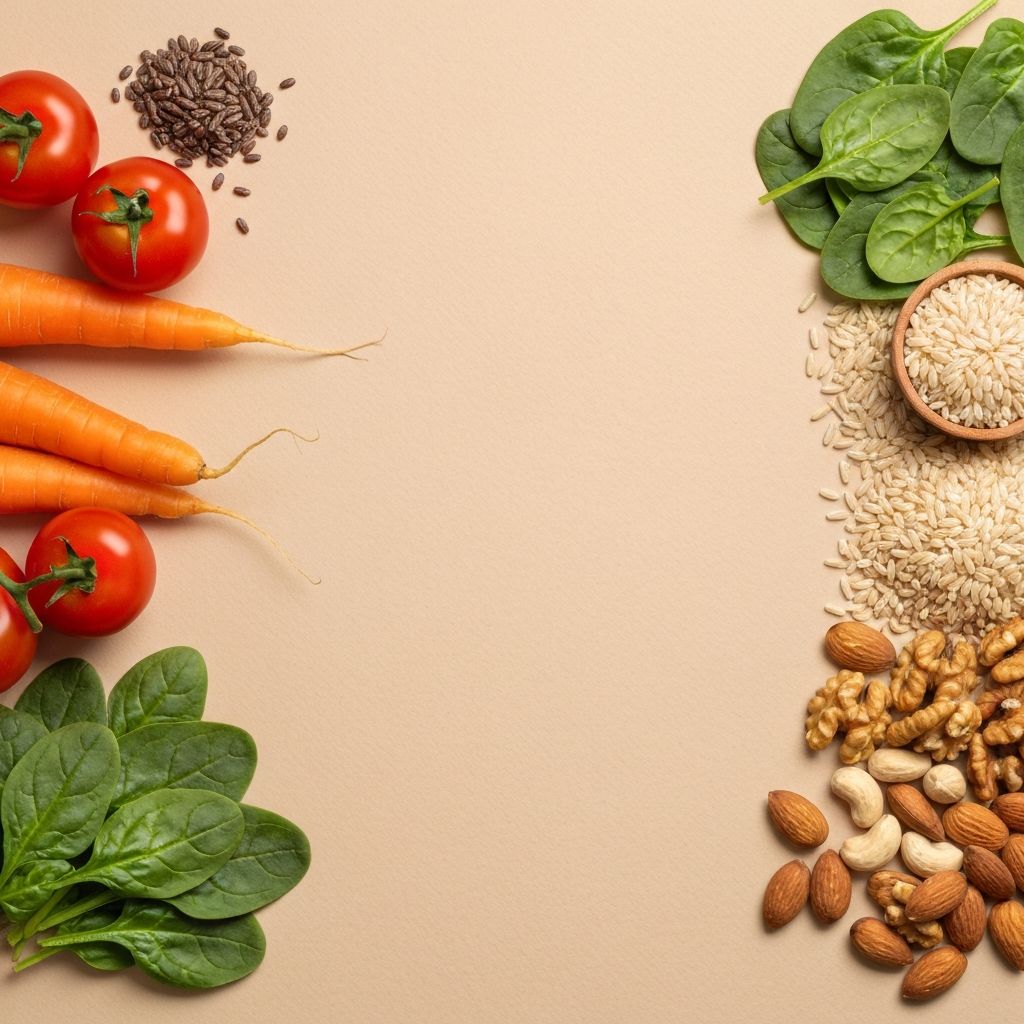
What Makes Foods Nutrient-Dense
Nutrient density refers to the concentration of vitamins, minerals, and beneficial compounds relative to caloric content. High-nutrient-density foods provide substantial micronutrients in reasonable portions.
Examples of nutrient-dense foods:
- Dark leafy greens (spinach, kale)
- Colorful vegetables (bell peppers, broccoli, carrots)
- Fatty fish (salmon, sardines, mackerel)
- Nuts and seeds
- Whole grains
- Legumes
- Berries
Focusing dietary choices on whole, minimally processed foods naturally emphasizes nutrient-dense options over calorie-dense, nutrient-poor alternatives.
Common Dietary Patterns
Various Approaches to Nutrition
Different cultures and individuals follow diverse dietary patterns, each with distinctive characteristics and nutrient profiles:
- Mediterranean Pattern: Emphasizes vegetables, whole grains, legumes, fish, and olive oil
- Traditional Asian Patterns: Centered on rice, vegetables, legumes, and fish, with moderate animal products
- Plant-Based Approaches: Emphasize whole plant foods with varying degrees of animal product inclusion
- Omnivorous Patterns: Include diverse plant and animal sources for nutritional variety
Research demonstrates that multiple dietary approaches can support health when based on whole foods and adequate nutrient diversity. Individual preferences, cultural context, and personal values influence sustainable dietary choices.
Science Notes
Key Scientific Concepts
- Bioavailability: The degree to which nutrients can be absorbed and utilized by the body. Varies based on food source, preparation method, and individual factors.
- Synergy: Some nutrients enhance absorption of others (e.g., vitamin C enhances iron absorption). Whole foods provide natural nutrient combinations.
- Individual Variation: Genetic factors, age, health status, and medications influence nutrient requirements and absorption.
- Whole Food vs. Isolated Nutrients: Foods contain complex mixtures of compounds that may have combined effects beyond individual nutrients.
Limitations and Context
This website provides factual, informational content about nutrients and natural food sources. The materials presented:
• Are educational in nature and do not constitute medical advice
• Do not replace personalized consultation with healthcare professionals
• Acknowledge individual variation in nutritional needs and health status
• Do not make medical claims or promises regarding health outcomes
• Reflect general nutritional science without applying recommendations to specific individuals
Nutrition and health are complex, multifactorial areas. Individual dietary needs vary based on age, sex, activity level, health status, genetic factors, and medications. Professional guidance from qualified healthcare providers or registered dietitians is appropriate for personalized nutritional planning and medical concerns.
Explore Further
For additional information about nutrition, food science, and health topics, explore our FAQ section or contact us with informational inquiries.